How Long Does Root Canal Therapy Take?

How Long Does Root Canal Therapy Take?
Root canal therapy is a common dental procedure designed to save a tooth that has been severely damaged by decay or infection. The procedure can alleviate pain, eliminate infection, and restore the health of your tooth. But one question that many patients have before undergoing root canal therapy is, “How long does it take?” The duration of the procedure can vary depending on several factors. This article will explore these factors to give you a better understanding of what to expect.
Factors That Affect the Duration of Root Canal Therapy
Root canal therapy is not a one-size-fits-all procedure. The time it takes can vary widely based on several factors. Below are the key elements that can influence the duration of the treatment.
1. The Complexity of the Case
The complexity of your specific dental issue is one of the most significant factors in determining how long your root canal therapy will take. For example, a tooth with a single canal will typically take less time to treat than a molar with multiple canals. A simple procedure may be completed in as little as 30 to 60 minutes, while a more complex case could take up to 90 minutes or more.
2. The Location of the Tooth
The location of the tooth in your mouth can also affect the duration of root canal therapy. Front teeth, such as incisors and canines, usually have one root canal, making the procedure quicker. Molars, on the other hand, may have three or four canals, which can significantly extend the treatment time. For instance, treating a molar might take between 90 minutes to two hours, especially if the canals are hard to locate or navigate.
3. The Extent of the Infection
If your tooth is severely infected, the procedure may take longer. A more extensive infection often requires additional cleaning and disinfection of the tooth’s canals, which can add time to the procedure. In some cases, your dentist may even recommend splitting the treatment into two appointments, especially if the infection is severe and needs to be treated with antibiotics before the final sealing of the canal.
4. The Skill and Experience of the Dentist
The dentist’s experience and skill level can also play a role in how long the root canal therapy will take. A highly experienced dentist who has performed many root canal procedures will generally be able to complete the treatment more quickly and efficiently. In contrast, a less experienced practitioner may need more time to ensure that every step is done correctly.
5. Use of Technology
The use of advanced technology can also influence the duration of root canal therapy. Some dental practices utilize state-of-the-art equipment such as digital imaging, 3D modeling, and laser technology, which can speed up the process. These tools allow for more precise work, potentially reducing the time you spend in the dentist’s chair.
6. Patient Cooperation and Comfort
Your cooperation during the procedure also impacts the duration. If you are anxious or have difficulty staying still, the dentist may need to take more breaks, which can extend the treatment time. Additionally, your comfort level with the procedure can influence how quickly it is completed. If you require more local anesthetic or sedation to feel comfortable, the process may take longer.
What to Expect During the Procedure
Understanding the different stages of root canal therapy can help you better estimate how long the procedure will take. Below, we’ll break down the typical steps involved in root canal therapy and discuss the time each stage might require.
1. Initial Consultation and X-rays
Before the procedure begins, your dentist will conduct an initial consultation to assess the condition of your tooth. This may involve taking X-rays to determine the extent of the damage and infection. The consultation and X-rays usually take about 30 to 45 minutes. If you are in Lawrence and considering this procedure, your dentist will likely discuss your specific needs during this time. The keyword “Root Canal Therapy in Lawrence” is crucial to finding a reliable service that meets your expectations.
2. Administering Local Anesthesia
Once your dentist has determined that root canal therapy is necessary, the first step during the actual procedure is administering local anesthesia to numb the affected area. This ensures that you are comfortable and do not feel any pain during the treatment. The process of administering and waiting for the anesthesia to take effect typically takes about 10 to 15 minutes.
3. Isolating the Tooth with a Dental Dam
After the anesthesia has taken effect, the dentist will place a dental dam—a small sheet of rubber—to isolate the affected tooth. This is done to keep the area dry and free of saliva during the procedure. Placing the dental dam usually takes just a few minutes but is an essential step for ensuring a clean and sterile environment.
4. Accessing the Root Canal
The next step involves creating an access point in the tooth to reach the infected or damaged pulp. The dentist will use a dental drill to create a small opening on the top of the tooth. This step typically takes about 10 to 15 minutes, depending on the tooth’s location and the dentist’s experience.
5. Cleaning and Shaping the Canals
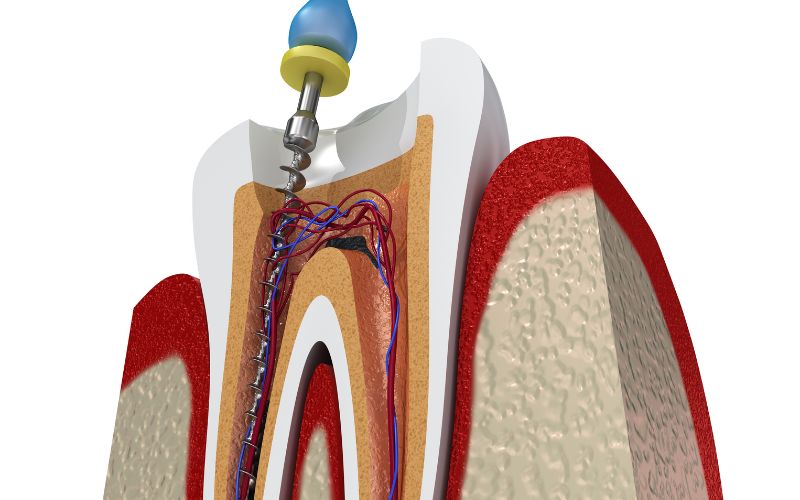
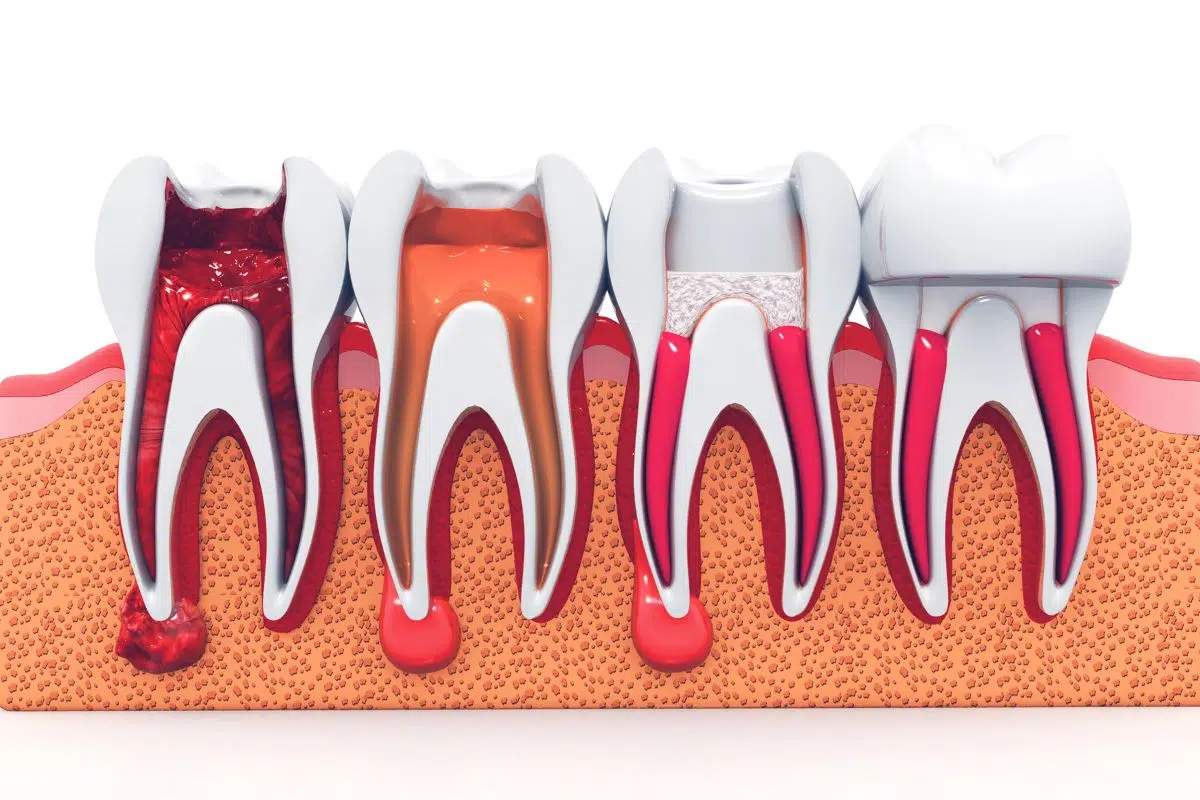
Once access has been gained, the dentist will clean out the infected pulp from the root canals. This involves using specialized tools to remove the pulp and shape the canals for filling. This step is usually the most time-consuming, taking anywhere from 30 minutes to over an hour, depending on the complexity of the canals and the extent of the infection.
6. Filling the Canals
After the canals have been thoroughly cleaned and shaped, the dentist will fill them with a biocompatible material called gutta-percha. This material is used to seal the canals and prevent future infections. The filling process usually takes about 15 to 30 minutes, depending on the number of canals and their complexity.
7. Placing a Temporary or Permanent Crown
Once the canals have been filled, the dentist may place a temporary filling or crown to protect the tooth until a permanent crown can be fitted. If a permanent crown is placed during the same visit, this step can take an additional 20 to 30 minutes. However, if a temporary crown is used, you will need to return for a follow-up visit to have the permanent crown placed.
8. Follow-up Appointments
In some cases, especially if the infection is severe, your dentist may recommend a follow-up appointment to ensure that the tooth is healing properly. Follow-up appointments usually last about 15 to 30 minutes and are an important part of the overall treatment plan.
In summary, the duration of root canal therapy can vary widely depending on several factors, including the complexity of the case, the location of the tooth, and the extent of the infection. While some procedures can be completed in a single visit of 60 to 90 minutes, more complex cases may require multiple visits. If you are considering Root Canal Therapy in Lawrence, it’s essential to consult with an experienced dentist who can assess your specific needs and give you a more accurate estimate of the time required. Understanding the different stages of the procedure can also help you prepare and make the experience as comfortable as possible.